Jacksonville Property Taxes Explained: What Buyers, Sellers and Homeowners Should Know About Amendment 3 in 2026
Florida property taxes could look very different in 2027. With Amendment 3 appearing on the November 3, 2026 ballot, Jacksonville home buyers, sellers and current homeowners have an important reason to understand how property taxes work, how homestead exemptions affect their bills and what could change if voters approve the proposal.
For buyers, the issue goes beyond the purchase price. Property taxes are part of the monthly cost of owning a home, and the amount currently paid by a seller may be very different from what the next owner will owe.
For existing homeowners, Amendment 3 could mean a larger homestead exemption and a reduction in certain property taxes. But the proposed changes would not apply equally to every property or every homeowner.
Here is what Jacksonville and Northeast Florida residents should know before the November election and heading into 2027.
How Do Property Taxes Work in Jacksonville, Florida?
Property taxes help fund local government services, public schools, infrastructure and other public responsibilities.
In Duval County, the Property Appraiser determines property values and administers exemptions. Taxing authorities establish tax rates, and the Tax Collector issues and collects property tax bills.
Your bill depends on several factors:
-
Your property's assessed value
-
Applicable homestead and other exemptions
-
The millage rates established by taxing authorities
-
Non-ad valorem assessments, including certain service fees and CDD charges
A mill represents $1 in property taxes for every $1,000 of taxable value.
For example, a taxable value of $300,000 at a hypothetical rate of 15 mills would produce $4,500 in ad valorem taxes before considering other assessments.
The actual calculation can be more complicated because different taxing authorities may apply different exemptions.
Why the Seller's Current Property Tax Bill May Be Misleading
One of the most important things Jacksonville buyers should understand is that the seller's current property taxes are not necessarily what the buyer will pay after purchasing the home.
Florida's Save Our Homes assessment limitation can protect qualifying longtime homeowners from large annual increases in assessed value.
As a result, someone who purchased a home many years ago may have an assessed value substantially below its current market value.
When the property changes ownership, the assessed value generally resets for the following tax year, subject to applicable rules and benefits.
Consider a hypothetical example:
A Jacksonville homeowner purchased a property years ago and currently pays $2,800 annually in property taxes. The property is now being sold for $450,000.
The buyer should not assume their annual property taxes will remain $2,800.
Following the sale, the property's reassessment, the buyer's eligibility for exemptions and applicable millage rates could result in a substantially different tax bill.
This matters because a higher annual property tax bill also means a higher monthly housing expense.
Buyers should request an estimate based on their own anticipated ownership rather than relying exclusively on the amount shown in the listing.
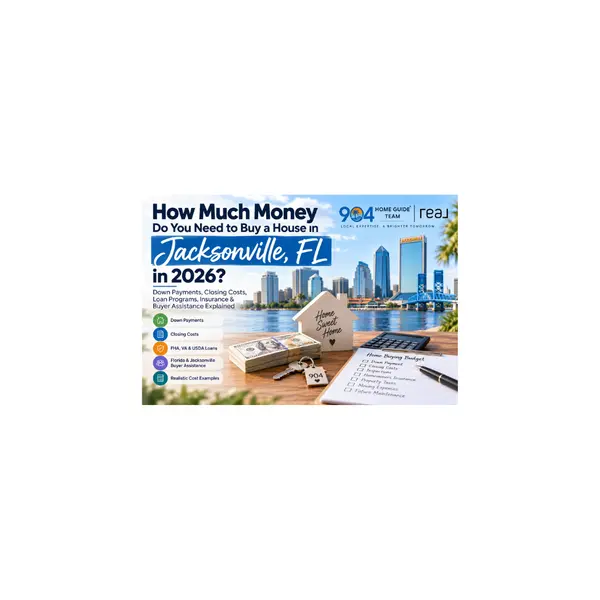
Property taxes are only one part of the financial picture. Our guide to how much money you need to buy a house in Jacksonville explains additional expenses buyers should prepare for.
What Is Florida's Homestead Exemption?
Florida's homestead exemption is a property tax benefit available to qualifying homeowners who use their Florida property as their permanent residence.
Under current law, eligible homeowners may receive an exemption that reduces the taxable value of their primary residence. The standard exemption structure includes a benefit for school taxes and an additional benefit for non-school taxes.
The exemption is not automatically available simply because someone purchases a home in Florida.
Generally, homeowners must own and occupy the property as their permanent residence on January 1 of the applicable tax year and submit their application to the county Property Appraiser by March 1.
In Duval County, homeowners can apply through the Property Appraiser's online homestead exemption system.
Jacksonville homeowners can review eligibility requirements and apply through the Duval County Property Appraiser's homestead exemption portal.
What Is Amendment 3 on Florida's November 2026 Ballot?
Amendment 3, officially titled Increased Homestead Exemption; Lower Cap on Increases in Non-Homestead Property Assessments, is a proposed constitutional amendment that Florida voters will consider on November 3, 2026.
If approved by at least 60% of voters, the amendment would significantly increase the homestead exemption for qualifying primary residences.
Under the proposal:
-
2027: The qualifying homestead exemption for non-school property taxes would increase to $150,000.
-
2028: The exemption would increase to $250,000.
-
2029 and beyond: The exemption amount would be adjusted for positive inflation.
-
Non-homestead properties: The annual cap on assessment increases would decrease from 10% to 5%.
The amendment would also establish residency-related requirements for the expanded exemption and modify certain rules governing the use of county and municipal property tax revenues.
Importantly, the increased homestead exemption would apply to non-school property taxes. School district property taxes would still apply.
When Would Amendment 3 Take Effect?
If voters approve Amendment 3 in November 2026, it would take effect January 1, 2027.
That means the amendment would not change the property tax bills issued in November 2026.
For qualifying properties, the initial changes would apply to the 2027 tax year and first appear on tax bills issued in November 2027.
The larger $250,000 exemption would begin in the 2028 tax year.
This timeline is especially important for homeowners evaluating their future housing expenses.
Why December 31, 2026 Matters for Florida Home Buyers
One of the most significant provisions of Amendment 3 concerns when someone establishes permanent Florida residency.
Under the proposal, people who maintained permanent Florida residency by December 31, 2026, and who establish a qualifying homestead could receive the expanded exemption under the amendment's eligibility rules.
This creates an important distinction between two groups.
Florida residents established by December 31, 2026
Someone who is already a permanent Florida resident by the deadline may qualify for the expanded homestead exemption when they establish an eligible homestead, even if they purchase their qualifying home later.
People who first establish Florida residency in 2027 or afterward
New Florida residents would generally receive the standard exemption upon qualifying for homestead, with eligibility for the larger exemption beginning in the fifth year of their exemption, subject to the amendment's terms.
The critical distinction is that the December 31 deadline concerns permanent residency, not simply the closing date on a property.
Purchasing a home does not automatically establish permanent residency or homestead eligibility.
For buyers relocating to Jacksonville, the timing and documentation of residency could therefore become an important part of their financial planning.
How Could Amendment 3 Affect Jacksonville Homeowners?
For existing Jacksonville homeowners who qualify for the expanded exemption, Amendment 3 could reduce the taxable value of their primary residence for non-school property taxes.
However, the exemption does not mean that every homeowner would stop paying property taxes.
School taxes, applicable assessments and other charges could remain.
The amount of potential savings would depend on factors such as the property's assessed value, applicable exemptions and local millage rates.
Homeowners should also remember that local taxing authorities can change millage rates over time. A larger exemption does not guarantee that every component of a future tax bill will decrease.
For homeowners who already have a qualifying homestead exemption, the proposed changes generally would not require a completely new homestead application solely to receive the increased benefit.
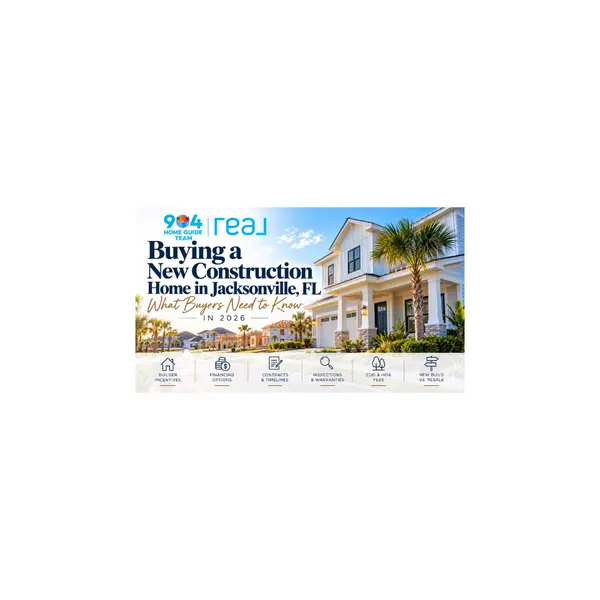
Purchasing a newly built home? Read our guide to buying new construction in Jacksonville to understand builder incentives, CDD fees, inspections and other costs that can affect your budget.
What About Second Homes, Investment Properties and Rental Homes?
The proposed expanded homestead exemption is intended for qualifying primary residences.
Second homes, vacation properties and investment properties generally would not qualify for that increased exemption unless they meet the legal requirements for homestead.
However, Amendment 3 also proposes reducing the annual assessment increase cap for non-homestead properties from 10% to 5%.
That provision could be relevant to owners of rental homes, vacation properties and certain other real estate.
The lower cap would limit qualifying annual increases in assessed value. It would not freeze property taxes, prevent changes in millage rates or eliminate the possibility of reassessment following an ownership change.
How Could Amendment 3 Affect Jacksonville Home Buyers?
For buyers, Amendment 3 introduces another factor to consider when estimating the long-term cost of homeownership.
A buyer's potential property tax liability may depend on:
-
Whether the amendment passes
-
When the buyer established permanent Florida residency
-
Whether the property qualifies as their primary residence
-
The assessed value following the purchase
-
Applicable homestead exemptions and portability benefits
-
Future millage rates and non-ad valorem assessments
Buyers should also understand that the expanded exemption would not necessarily be available immediately to everyone moving to Florida.
For those purchasing a home in late 2026, documenting residency and understanding the January 1 homestead qualification rules could be particularly important.
The best approach is to calculate affordability using a realistic estimate of property taxes and then consider any potential future tax savings separately.
If you're planning a purchase, explore Jacksonville homes for sale while comparing potential ownership costs across different properties and neighborhoods.
What Could Amendment 3 Mean for Jacksonville Home Sellers?
Sellers should understand how property taxes influence buyer affordability.
A buyer evaluating a Jacksonville property may compare the current owner's tax bill against a projected bill following reassessment.
If the difference is substantial, it could affect the buyer's estimated monthly payment.
Sellers should be prepared for questions about homestead exemptions, reassessment and the potential impact of Amendment 3.
It is also important to distinguish the home's current property tax history from the future tax obligations of a new owner.
Accurate information helps buyers evaluate a property without relying on assumptions that may not apply after closing.
If you're considering selling, start by exploring your Jacksonville home's estimated market value and understanding how current market conditions may affect your pricing strategy.
Understanding Save Our Homes and Portability
Florida's Save Our Homes benefit limits annual assessed value increases for qualifying homesteaded properties.
Generally, after the initial qualifying assessment year, increases in assessed value are limited to the lesser of 3% or the applicable change in the Consumer Price Index.
Over time, this can create a significant difference between a property's market value and its capped assessed value.
For existing Florida homeowners who sell one primary residence and purchase another, portability may allow them to transfer some or all of their accumulated Save Our Homes assessment benefit to a new qualifying homestead.
Portability is separate from the homestead exemption itself and requires an application.
This can be particularly relevant for Jacksonville homeowners who are downsizing, upsizing or relocating within Florida.
Could Amendment 3 Affect Jacksonville's Local Services?
Property taxes are an important source of revenue for local governments.
Supporters of Amendment 3 emphasize the potential for reduced property tax burdens on qualifying homeowners.
Critics have raised concerns about the potential reduction in revenue available for local government operations, infrastructure and public services.
The amendment includes provisions concerning how counties and municipalities may use property tax revenue, but the eventual effects on individual communities would depend on implementation, future budgets and decisions made by local taxing authorities.
These considerations are part of the broader discussion voters are having ahead of November.
What Should Jacksonville Buyers and Homeowners Do Before 2027?
Whether Amendment 3 passes or fails, understanding your property's tax situation is an important part of responsible homeownership.
Prospective buyers should request property tax estimates that reflect their expected purchase and ownership circumstances.
Current homeowners should confirm that their homestead exemption is properly recorded and review whether additional exemptions or portability benefits may apply.
Anyone relocating to Florida should pay particular attention to the requirements for establishing permanent residency and qualifying for homestead.
The Duval County Property Appraiser can provide information about exemption eligibility and the application process.
In addition to property taxes, buyers should research Florida homeowners insurance costs to better understand their total monthly housing expenses.
Buying or Selling a Home in Jacksonville? Understand the Full Financial Picture
A home's purchase price is only one part of the equation.
Property taxes, homeowners insurance, financing, exemptions and other ownership expenses all influence affordability.
For sellers, understanding these costs can help explain how prospective buyers evaluate a property.
For buyers, evaluating the complete financial picture can help prevent unexpected expenses after closing.
Mike Rolewicz with Real Broker LLC helps Jacksonville and Northeast Florida buyers and sellers evaluate real estate decisions using local market data, property-specific considerations and a clear understanding of the transaction process.
Contact Mike Rolewicz to discuss buying, selling or evaluating a home in Jacksonville and Northeast Florida.
Disclaimer: This article is for general educational purposes as of October 2026 and is not legal or tax advice. Amendment 3 remains a proposed constitutional amendment subject to voter approval. Eligibility for homestead exemptions, portability and other tax benefits depends on individual circumstances and applicable law. Consult the county Property Appraiser, a qualified tax professional or legal adviser for property-specific guidance.
Categories
Recent Posts