Selling a Home in Jacksonville Beach: How to Price Your Property Beyond the Zestimate
Selling a Home in Jacksonville Beach: How to Price Your Property Beyond the Zestimate
If you’re thinking about selling a home in Jacksonville Beach, you’ve probably checked its Zestimate. You may have looked at another home-value website, compared your property with a neighbor’s recent sale, or searched what homes in your ZIP code are listed for.
Those are reasonable starting points. But choosing an asking price takes more than finding a number online.
In Jacksonville Beach, properties within a few blocks of one another can offer very different experiences. Beach access, ocean views, lot characteristics, construction, condition and outdoor living space can all influence how buyers compare homes.
The question isn’t simply, “What does Zillow say my home is worth?”
It’s, “What price is supported by the homes buyers are choosing between—and the features that make my property different?”
Here’s how to approach Jacksonville Beach home pricing with a clearer picture of your property and its competition.
What Does a Zestimate Tell You About Your Home’s Value?
A Zestimate is Zillow’s automated estimate of a home’s market value. Zillow explains that its model uses information such as public records, MLS data and user-submitted property details.
It is not an appraisal or a guaranteed sale price.
According to Zillow’s explanation of the Zestimate, homeowners should supplement the estimate with additional research, which may include a property visit, a professional appraisal or a comparative market analysis from a real estate agent.
That doesn’t mean online estimates have no value. They can help you begin researching your home and understanding the information buyers may see.
But an automated estimate and a listing strategy serve different purposes.
An estimate provides a modeled value based on available information. A listing strategy considers that information alongside your home’s specific condition, current competition, likely buyer questions and selling goals.
Why Jacksonville Beach Homes Need Property-Specific Pricing
A Jacksonville Beach address tells only part of the story.
A detached home with direct ocean views is different from a similarly sized property without them. A renovated home near convenient beach access may compete with a different group of listings than an older property needing substantial work.
Even the same bedroom count and square footage don’t make two homes interchangeable.
When evaluating your property, consider:
-
Its exact location and access to the beach.
-
Whether ocean views are available and from which rooms.
-
Lot size, shape, privacy and usable outdoor space.
-
Construction type, age and documented improvements.
-
Interior layout and functional living space.
-
Garage parking and driveway capacity.
-
Roof, HVAC, plumbing and electrical condition.
-
Pool, balconies, outdoor shower and entertaining areas.
-
Any applicable association costs or property-use restrictions.
These features should be evaluated against comparable properties—not assigned an automatic dollar amount simply because they exist.
The goal is to understand which differences buyers are paying for in your segment of the Jacksonville Beach market.
Start With Comparable Sales, Not Just Nearby Sales
A home down the street may be a useful comparison. It may also be a poor one.
Before using a neighboring sale to justify your asking price, look at how closely the properties match.
Was it a detached home or a townhome? Was it renovated? Did it have a pool, garage or ocean view? Was its living area similar? Were there seller concessions that affected the transaction?
A useful comparative market analysis, often called a CMA, looks beyond geographic proximity.
Closed sales show what buyers actually paid
Recent closed sales provide evidence of completed transactions.
The strongest comparisons generally share meaningful characteristics with your property. If closely comparable sales are limited, the analysis may need to expand in time or location while accounting for important differences.
Active listings show your current competition
Active listings show the alternatives buyers can consider today.
Their asking prices are not proof of value. However, their condition, presentation, features and pricing help explain how your property would fit into the current selection.
Pending listings provide additional context
Pending properties can help identify which homes attracted an agreement.
Their final sale prices and terms may not be available until closing, so they should not be treated as completed sales.
Withdrawn and expired listings deserve attention
Listings that did not sell can provide useful context about pricing, condition, exposure or other obstacles.
They don’t prove that price was the only problem. They do help frame questions worth investigating before launching your own listing.
Why Price Per Square Foot Isn’t Enough
Price per square foot can be a helpful comparison tool, but it should not determine your asking price by itself.
Two homes with similar living areas can differ substantially in lot value, renovation quality, beach access, layout and maintenance needs.
The calculation also combines the home’s overall sale price with only one measurement: its interior living area. It does not separately explain the contribution of land, a pool, garage space or views.
For example, a smaller renovated home with a desirable location may sell at a higher price per square foot than a larger property needing updates. Multiplying your home’s square footage by that smaller home’s figure could produce a misleading result.
Use price per square foot as a cross-check within a broader analysis—not as a shortcut around one.
Condition Matters, but Renovation Cost Doesn’t Equal Added Value
It’s understandable to think about what you’ve invested in your home.
A new roof, updated kitchen or redesigned backyard may improve how the property competes. But spending a certain amount does not automatically increase market value by the same amount.
Buyers compare the finished result with other available homes. They also consider work they may need to complete after closing.
Before pricing, gather documentation for:
-
Roof installation and repairs.
-
HVAC replacement and servicing.
-
Significant renovations.
-
Relevant permits.
-
Warranties and transferable coverage.
-
Other improvements that help explain the property’s condition.
Then evaluate whether additional work makes financial sense before listing.
Our guide to what to fix before selling your Jacksonville home explains how to prioritize preparation without assuming every room needs a renovation.
Consider Ownership Costs Alongside the Asking Price
Buyers don’t evaluate price in isolation. They also consider the ongoing cost of owning the property.
Depending on the home, that may include insurance, property taxes, association fees, maintenance and potential repairs.
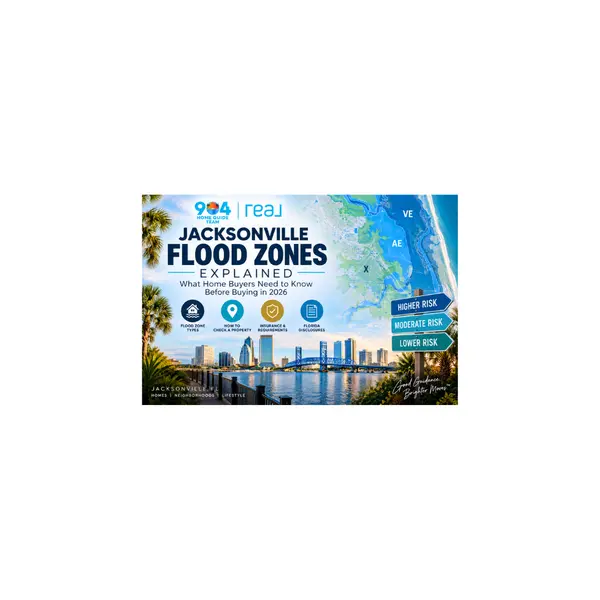
For a coastal property, buyers may also have questions about flood designation, elevation, drainage and insurance requirements. Those questions should be answered with property-specific information rather than assumptions based on distance from the ocean.
Our Jacksonville flood zone guide explains common flood-zone terminology and the research buyers should complete.
Having useful documentation ready can help buyers evaluate your home more confidently. It doesn’t eliminate every concern, but it supports a better-informed conversation.
Rental Potential Requires More Than an Income Claim
If your Jacksonville Beach property has a rental history, that may be relevant to how it is marketed and evaluated.
However, a projected income figure is not a substitute for comparable sales or a complete analysis.
An investment-focused buyer may want to understand operating expenses, owner-use periods, booking history, maintenance, furnishings and the requirements that apply to continued rental use.
Rental permissions, licensing, association restrictions and any ownership-transition requirements should be independently verified. Future income should never be presented as guaranteed.
The key is to explain the opportunity with appropriate documentation while keeping the asking price grounded in the property and relevant market evidence.
Choose a Price That Makes Sense Beside the Competition
Once the research is complete, the next step is deciding how to position your home.
Imagine a buyer comparing your property with three or four alternatives.
Would your asking price make sense based on the location, condition and features? Would another listing offer a noticeably stronger package at a similar price? Would your home’s advantages be clear in the photographs and description?
A pricing recommendation should address those comparisons directly.
Your timeline matters, too. A seller seeking a faster move may approach positioning differently from someone with more flexibility. Neither situation changes the underlying evidence, but it can affect the strategy chosen within a supported price range.
The goal is not simply to select the highest number that sounds possible. It is to choose a price you can explain—and that buyers have a reason to consider.
Don’t Rely on Negotiating Room Alone
Listing high because “buyers can always make an offer” can create a gap between your expectations and how the property compares online.
A buyer may not begin a negotiation if another home appears to offer better value. They may simply schedule a showing elsewhere.
That does not mean every seller should price below market. It means the starting price should have a clear rationale beyond leaving room to come down.
If your home is already listed, review showing activity, feedback and competing listings together. Low activity can have several causes, and a price adjustment should be considered alongside presentation, access and marketing.
Our article on why Jacksonville homes sit on the market covers common issues to review.
What Should a Jacksonville Beach Pricing Consultation Include?
A useful pricing consultation should leave you with more than a suggested list price.
You should understand:
-
Which comparable properties were selected and why.
-
How your home differs from those properties.
-
What current buyers can purchase instead.
-
Which preparation items deserve attention.
-
The reasoning behind the recommended price range.
-
How the asking price supports your goals.
-
What market feedback will be reviewed after launch.
You should also be able to ask how the recommendation differs from your Zestimate, tax assessment or previous appraisal.
Those figures can serve different purposes and may reflect different information or dates. They should not be assumed to represent the same thing.
Frequently Asked Questions About Jacksonville Beach Home Values
Is the Zestimate accurate for my Jacksonville Beach home?
It may be a useful starting point, but its usefulness depends on the available property and market information. Compare it with relevant sales, current competition and a property-specific review before choosing an asking price.
Can I list my home above its Zestimate?
Yes. The important question is whether the asking price is supported by the home’s characteristics and market evidence. A Zestimate does not establish a ceiling or floor for a sale.
Should I price my home based on what my neighbor received?
Only after comparing the properties and circumstances. Location, condition, size, features, timing and transaction terms can make a neighboring sale more or less relevant.
Is a comparative market analysis the same as an appraisal?
No. A CMA is a real estate agent’s market analysis used to inform pricing and related decisions. An appraisal is a separate professional valuation prepared for a defined purpose. Neither guarantees the eventual sale price.
Do I need to renovate before selling?
Not necessarily. Some homes are best positioned with selected repairs and presentation improvements. Others can be marketed in their existing condition with appropriate pricing and disclosures. Review the likely costs and benefits before committing to major work.
Find Out What Your Jacksonville Beach Home Could Sell For
Selling a home in Jacksonville Beach starts with understanding how your property fits into its market—not simply accepting or rejecting an online estimate.
Mike Rolewicz with Real Broker, LLC helps homeowners evaluate comparable properties, preparation priorities and pricing options based on their home and selling goals.
Whether you own a primary residence, second home or investment property, a property-specific review can help you decide what to do next.
Contact Mike Rolewicz for a Jacksonville Beach home pricing consultation and a personalized selling strategy.
Have your address, recent improvements and preferred timeline ready so the conversation can focus on your property—not just a number on a screen.
Categories
Recent Posts